Accessory Gifts for Coworkers: Warm, Easy, and Appropriate
There is a particular kind of office gift that lands perfectly: small enough to open at a desk, personal enough to prompt a real smile, and relaxed enough that nobody has to wonder what it means. That sweet spot makes accessories an especially useful answer for birthdays, a teammate’s last day, a project finish, or the annual mystery of a workplace gift exchange. The best coworker accessory gifts are not grand gestures. They are observant little nods to the person who always finds their keys at the bottom of a tote, keeps a cheerful water bottle nearby, or makes the group chat funnier at 3:17 on a Tuesday.
Begin with the version of them you see at work
Work gives you plenty of useful clues, even when you do not know a colleague outside the building or video call. Notice the repeat details: the canvas bag they carry between meetings, the lanyard covered in pins, the pencil pouch that appears every planning session, or the keys they set down beside the coffee machine. These are better starting points than trying to decode a favourite colour from one sweater.
For example, a teammate who takes the train and constantly digs through a backpack may appreciate a charm or keychain that makes one zipper easier to spot. Someone who brings lunch in the same roomy tote might enjoy a playful bag detail. It is a useful distinction: you are responding to a visible routine, not making a personal assumption. If a keychain feels right, our guide to using a keychain as a zipper pull offers a few low-pressure ways it can join a daily bag.
Keep your observation light. “This reminded me of your legendary tote bag” is a friendly note. “I know you need help staying organized” is not. The object should add a bit of character, not comment on a coworker’s habits.
Set the tone with a modest budget and one clear idea
A small budget is not an apology in workplace gifting; it is often the etiquette. It keeps the exchange comfortable across different salaries and levels of seniority, and it prevents the recipient from feeling they need to match your effort later. If your team has set a spending cap, treat it as the plan rather than a challenge to outsmart.
Then choose one idea and stop. A charming bag accessory, a compact keyring, or a bright little item for a work bag has more ease than a large bundle of vaguely related things. A single delightful choice also travels well for hybrid teams: it can slip into a card, a small mailer, or a farewell envelope without becoming an event.
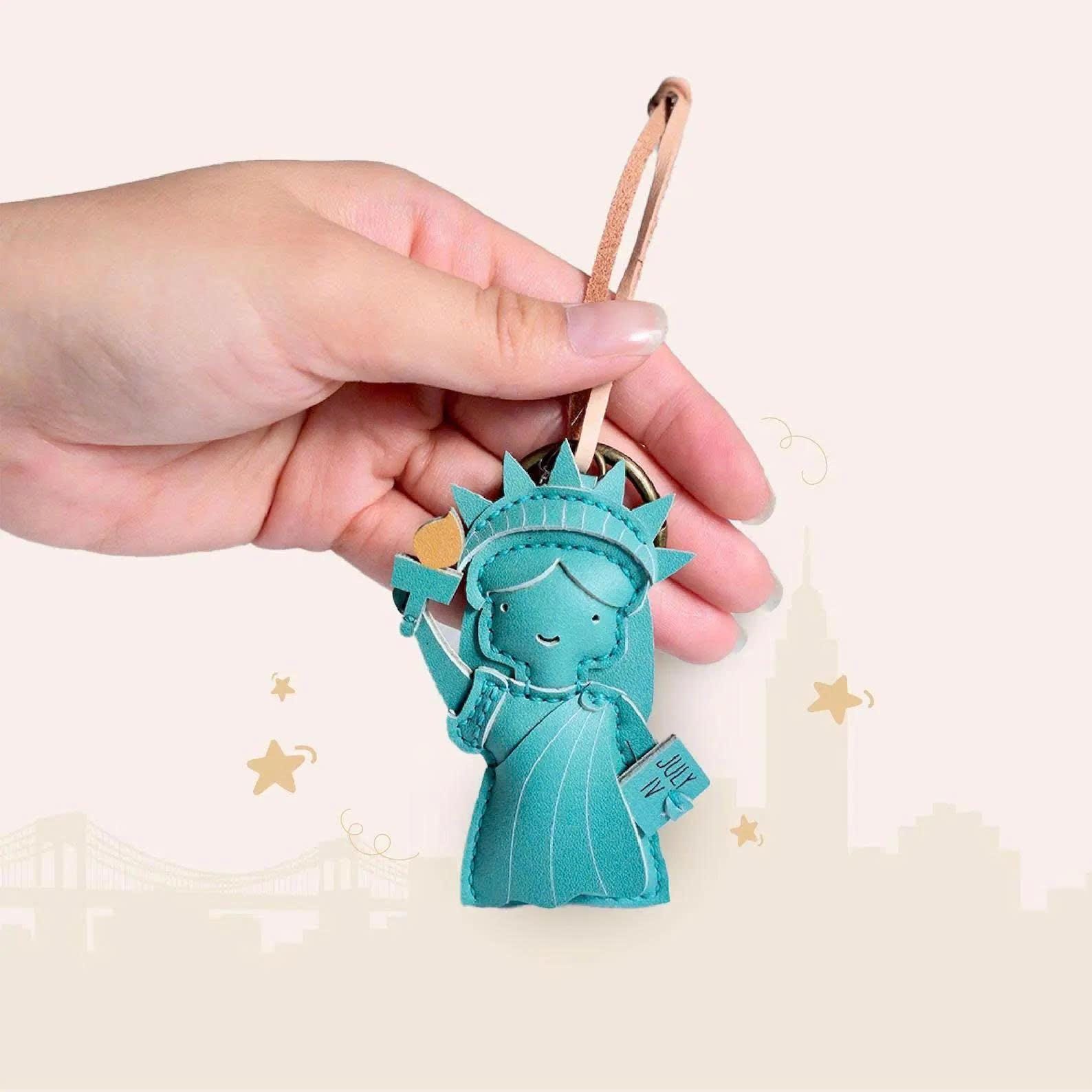
A character-led option such as this walrus bag charm keychain works best when the recipient already enjoys a touch of whimsy. The point is not that everyone needs a walrus. The point is that a tiny, specific character can feel much more considered than another generic office supply.
Choose flexible accessories over personal predictions
When you are not close friends, flexible is your best friend. Accessories that attach to a bag, keyring, pouch, or zipper allow the recipient to decide where, when, or whether to use them. That freedom is quietly considerate. It also avoids the awkwardness of presenting something that depends on knowing a person’s exact fit, beauty routine, scent preferences, or style rules.
Look for a piece with an inviting detail rather than a prescribed identity: a small animal, a punchy colour combination, an unexpected shape, or a cheerful expression. Browse the wider accessory collection with the person’s existing work bag in mind, not an imagined makeover. A gift can be playful without demanding that they become “the quirky one” in the office.
If you worry that a charm might be too decorative, picture it in use. Could it make a backpack zipper recognizable in a crowded coatroom? Could it be clipped to keys, a pencil case, or a weekend bag? A visible use case is reassuring, but do not oversell it. The recipient gets to make it theirs.
Make the note do the personable work
In many cases, the card is what turns a pleasant accessory into a memorable one. Keep it specific, brief, and work-appropriate. Mention the moment you are marking, then add a simple observation or shared reference. For a new teammate: “Welcome to the spreadsheet circus—glad you joined our ring.” For a departing colleague: “For your next set of keys and the adventures after our Tuesday status calls.” For a project win: “A tiny mascot for surviving launch week.”
Avoid jokes about age, dating, bodies, money, or anything a person may not want repeated in front of a team. Also skip language that makes the gift feel like a debt: “You always save us” can put pressure on someone who already carries too much. “Thanks for making the handoff calmer” is both warmer and more precise.
For a group gift, ask everyone for one short line and write only the strongest few in the card. A page of signatures is lovely; a page of inside jokes that excludes the recipient is less so. The goal is recognition, not a performance of closeness.
Present it simply, then let it be easy
The handoff should match the scale of the gift. Place it with a card on their desk before a meeting, bring it to a casual lunch, or mail it with a handwritten note if your team is remote. A big announcement can make a shy colleague uncomfortable, while a quiet “We saw this and thought it might brighten your bag” leaves room for an uncomplicated thank-you.
If you are still deciding, scan new arrivals for a fresh option, or read how to make a favorite bag feel new for inspiration rooted in what someone already uses. And if the gift is for a close work friend rather than a formal exchange, these ideas for a charm gift set can help you build a slightly more personal combination without making it elaborate.
The right workplace accessory is a small vote of confidence: you noticed something cheerful about this person, and you wanted to pass that feeling along. Choose with care, keep the gesture proportionate, and let the delight be the whole message.