A Daily Keychain Routine for Easier Mornings
At 8:17, the familiar search begins: coat pocket, kitchen counter, yesterday’s tote, the mysterious space behind the mail. The key problem is rarely about owning a better keychain. It is about asking a half-awake brain to remember where a small, essential object went at the end of a long day. A keychain routine gives that object a predictable little route, so the morning can begin with coffee, shoes, and the door—not a scavenger hunt.
This is not a productivity makeover. It is a practical rhythm for people whose evenings are full, whose bags change, or whose keys keep drifting to wherever the last errand ended. Use the parts that fit your home and leave the rest. The best routine is the one that still works when you are distracted.
Give the keys one place to land
Start at the moment you walk in, not when you are already late. Pick one landing place within a few steps of the door: a shallow bowl on a console, a small hook by the entry, or a dish beside the charger. The location should be obvious enough that you can use it while talking to someone, setting down groceries, or taking off a jacket. A beautiful setup is optional; a repeatable setup matters more.
Try saying the action out loud for the first several days: “Keys are home.” It may feel theatrical, but a tiny phrase gives the habit an ending. If you live with others, make the landing place specific to your set rather than turning one bowl into a tangle of everyone’s keys. A tray with a corner, a hook with a label, or even a consistent side of a shelf can provide just enough definition.
Use the evening reset to remove a morning decision
Before bed, take ten seconds to look at tomorrow’s bag and keys together. If you are switching from a work tote to a crossbody, move the entire keyring then—not while hunting for socks. If a grocery run, school drop-off, or gym class changes the plan, put the keyring beside the item you need to take. This is less about making a perfect checklist and more about linking two things that must leave together.
Keep the reset deliberately small. Check that the keys are at their landing spot or already clipped to tomorrow’s bag; then stop. A sprawling nightly routine is easy to abandon during a busy week. One reliable action is useful precisely because it asks so little. On nights when you collapse into bed, the landing place still offers a default for the next day.
Make the keyring easy to spot and handle
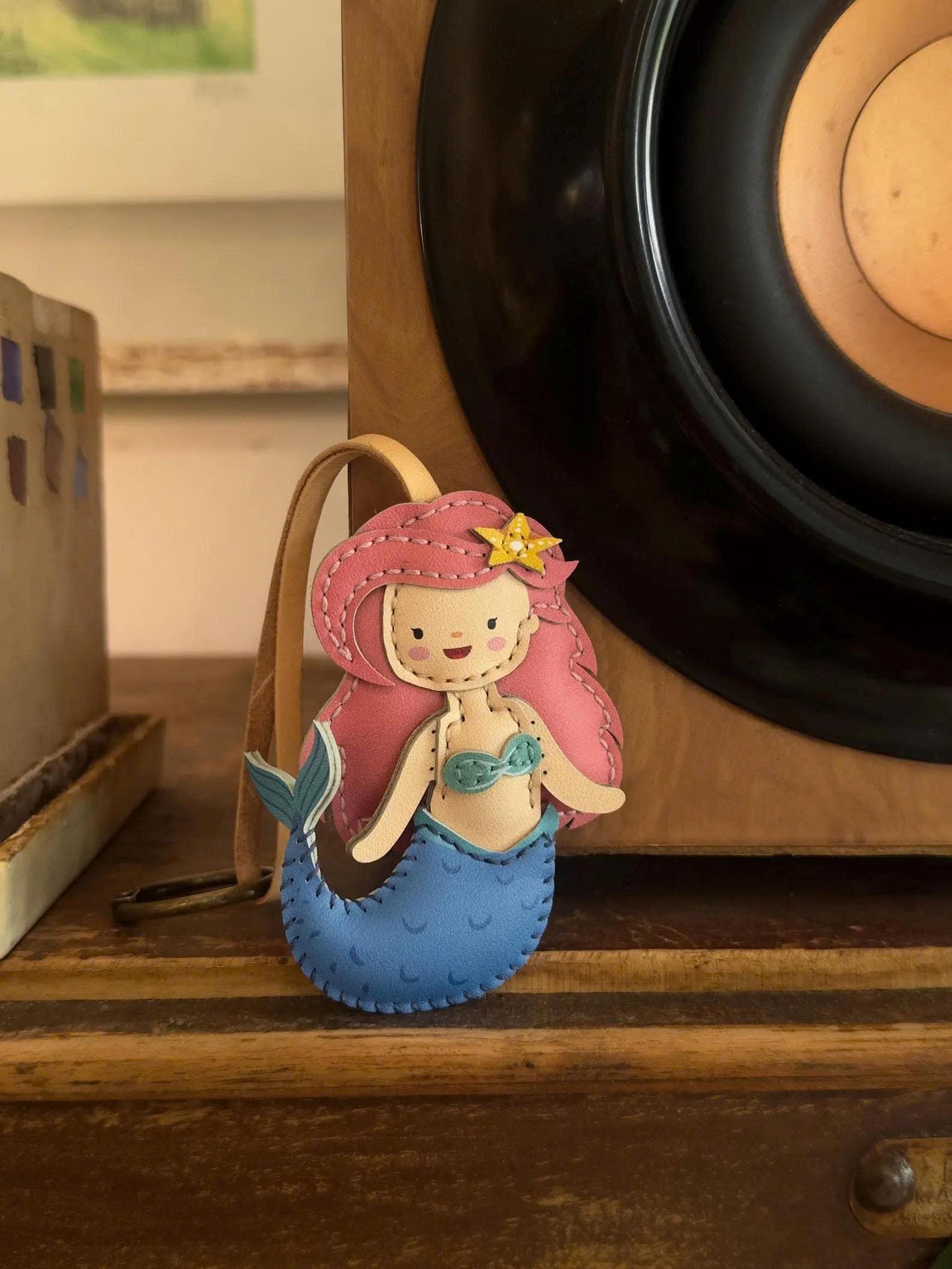
A keyring can do more than hold keys. A colorful charm, a character detail, or a shape you recognize quickly can help it stand out against the inside of a dark bag. Choose a detail because it makes you smile or because you can identify it at a glance—not because it needs to solve every organizational problem. A fairy-tale-inspired piece, such as this Cinderella bag charm keychain, can turn the grab-and-go moment into a small visual cue: keys first, then out the door.
Keep the keyring legible, too. If it has old tags, duplicate rings, or mystery keys that make it bulky, sort them at a calm moment rather than in the doorway. You do not need to reduce it to a minimalist object; you simply want to recognize the keys you use most. For some people, a charm is the memorable “handle” that helps retrieve the ring from the bottom of a tote without emptying everything onto the floor.
Practice a 30-second departure check
Place this check after shoes and before the door opens. Touch your keys, phone, and wallet or cardholder. Then ask one question tied to your day: “Do I need my water bottle?” or “Is the return package with me?” The keychain is the anchor, not another item to remember. Once your hand has found it, the rest of the check becomes easier to repeat.
Picture a weekday morning: the bus is due soon, someone is looking for a permission slip, and the weather has changed overnight. You reach for the same hook, feel the charm, and know the keys are already accounted for. That does not make the whole morning serene, but it removes one common interruption. If you miss the check, avoid turning it into evidence that the routine failed. Just reset the keys when you return.
Keep the routine flexible when life changes
Travel days, houseguests, borrowed cars, and a new job schedule can knock any habit sideways. For those days, use a temporary version: place the keys on top of the bag by the door, or clip them to the bag you will carry. When you get home, return to the usual landing place. The goal is not to make the system precious; it is to make finding your keys less dramatic.
After a week, notice where the routine sticks. Maybe the kitchen counter wins because that is where you unload lunch containers. Maybe a hook near the door works only on weekends. Adjust the location instead of blaming yourself. If you want a little extra personality while refining the setup, browse all accessories or see the latest pieces in new arrivals. The right visual detail can make an ordinary habit feel more inviting to repeat.
Let “found” be the measure of success
A useful keychain routine is quiet. It does not require an elaborate station, a strict timetable, or a flawless morning. Its success is simple: when you need to leave, you know where your keys are. A recognizable keyring, one dependable landing spot, and a short reset can create that little margin of ease.
For more playful ways to connect accessories with everyday moments, read how to build a charm gift set, explore fruit charms for summer style, or find ideas in accessory gifts for teachers. Then return to your own door, choose a home for the keys, and give tomorrow morning one less thing to negotiate.