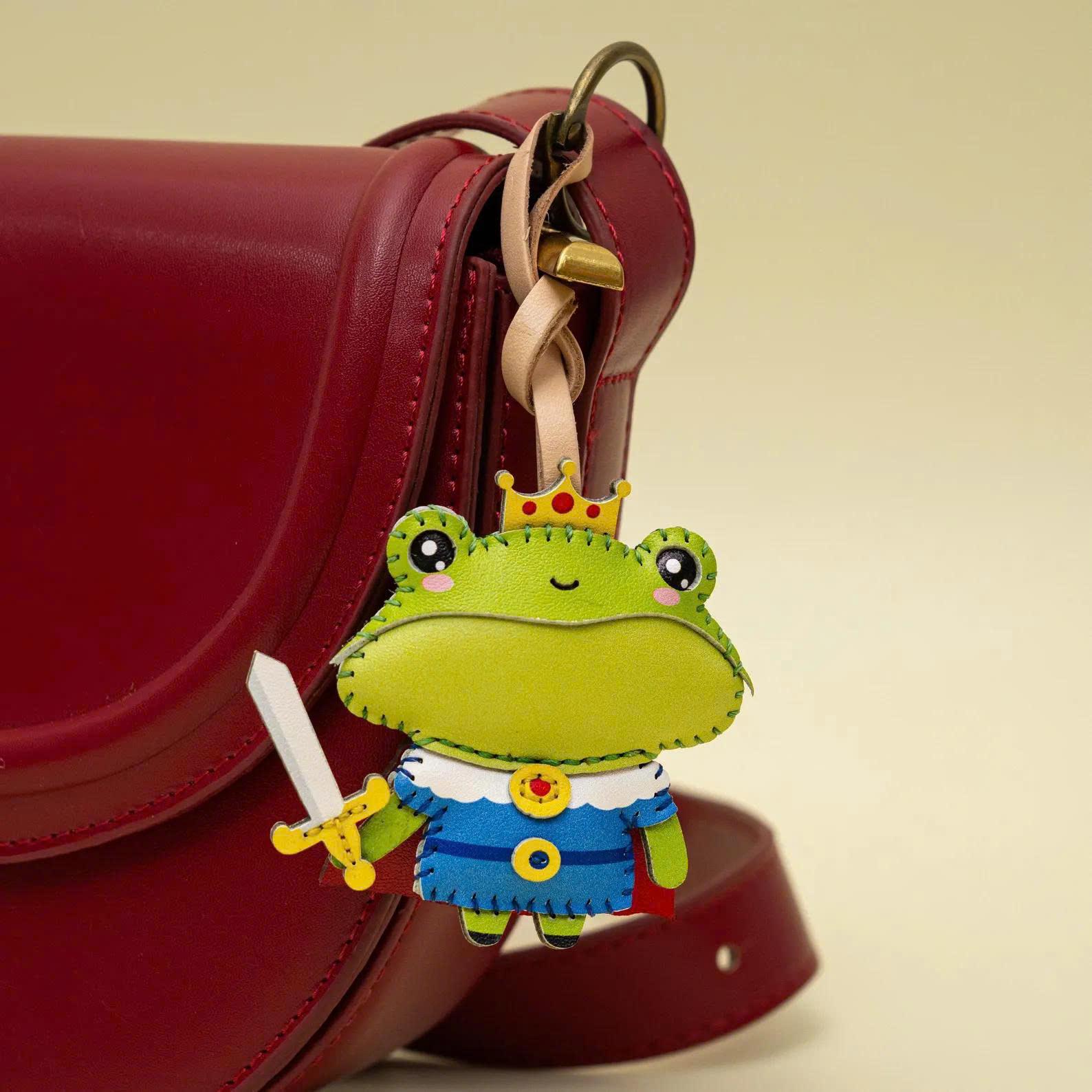
Small Accessories for Students on the Go
At 8:07, the hallway outside the lecture theatre has its usual little traffic jam: one person is digging for an ID card, another is balancing a coffee and a laptop, and somebody is trying to identify their black backpack among three nearly identical ones on the floor. Student life has a way of turning every day into a relay. The most satisfying accessories for students are not another thing to manage; they are small, cheerful cues that make the familiar bag, pouch, or set of keys feel easier to claim in the rush.
A bag charm will not organize a calendar or finish a reading list. What it can do is make the object that carries those things feel recognizably yours. That modest role is exactly why a playful detail works so well in a routine packed with classes, library tables, buses, and last-minute plan changes.
The 8:07 bag-rack moment
Start where the day starts: with the bag that leaves home first. A charm at the top handle or outer loop gives a plain backpack a quick visual landmark. It is especially useful in shared spaces, where a row of navy, charcoal, or canvas bags can blend together faster than expected. The goal is not to turn a school bag into a display case. It is to choose one detail you can notice in a glance when you are collecting your things after a seminar.
Think in small contrasts. A bright or whimsical shape against a neutral bag reads quickly; a subtle color can be enough when the bag already has a print. Someone who wears mostly denim and gray might enjoy one unexpected warm accent. Someone whose notebook covers and water bottle are already expressive may prefer a calmer motif. Browse the full assortment in the collection with the bag itself in mind, rather than choosing an accessory in isolation.
A break between classes, not a complete restyle
There is a useful difference between changing your outfit and changing its mood. In the ten minutes between a tutorial and a lab, no one needs a complicated styling decision. A small accessory can do the lighter job: give an old tote a point of view, distinguish a pencil case from a roommate’s, or add a little humor to a key ring that otherwise disappears at the bottom of a pocket.
Try a one-detail rule for weekday carry. If the backpack gets a character charm, let the rest of the bag stay uncomplicated. If your tote has several pins or patches already, use a quieter keychain on the zipper instead. This gives the eye a pause and keeps the accessory from competing with every item you need to reach quickly. For a fresh angle when your schedule starts to feel repetitive, new arrivals can be a pleasant place to look without rebuilding your whole look.
The library-table test
Picture the long study session: charger, highlighters, snack, headphones, borrowed book, and the fleeting confidence that all of it will go back into the correct bag. Here, the best accessory is one that feels like a familiar marker rather than an extra task. Clip a charm where it does not get in the way of opening the compartment you use most, then leave it there for the week. The repeated glimpse becomes a small visual full stop between assignments.
Personal symbols can make this ritual more enjoyable. A student who follows astrology might like a zodiac sign bag charm as a nod to a favorite conversation starter. Another might gravitate toward a color that echoes the cover of a well-used planner. Neither choice needs a grand explanation. A small item earns its place when it gives you a tiny lift while you pack up at 6 p.m.
From club meeting to late bus
After class, the same bag may move through a club meeting, a shift, a rehearsal, or a grocery run. That is when flexible styling matters more than a perfect morning outfit. A charm can travel from backpack to tote, or from tote to keys, when a different bag suits the evening. Moving one chosen detail is a simple way to make separate parts of the day feel connected.
It also makes borrowing and lending a little less anonymous. If a friend is carrying your bag while you tie a shoe, a recognizable accent gives them an easy description. If everyone piles belongings near a café chair, it gives you a visual cue without asking the accessory to do more than it can. These are low-stakes practical wins, but they make busy transitions slightly smoother.
Build a tiny rotation around real routines
Instead of collecting many pieces at once, start with the week you actually have. Choose one accessory for your everyday bag, then consider a second only if it has a separate home: keys, a weekend tote, or the pouch that moves between backpack and desk drawer. This approach keeps the choice playful and intentional. It also means the pieces you do pick get seen, rather than waiting in a drawer for a special occasion.
For more ways to style a neutral bag with a bright detail, read Colorful Keychains for Neutral Bags. If a birthday is on the horizon, A Birthday Gift Guide Built Around a Bag Charm offers a thoughtful starting point. And for a mood closer to Saturday than Monday, visit Weekend Bag Accessories for Market Mornings and Short Trips.
The nicest accessories for students do not need to announce themselves from across campus. They can simply be the small, funny, colorful thing that helps a bag look like it belongs to you—at the bike rack, beside a library chair, and on the way home when the day finally slows down.