Accessories for Daily Commuters
A commuter bag has two lives. At 8:12 a.m., it is a fast-moving collection of keys, a pass, a water bottle, cables, and one hand trying to zip everything before the train arrives. By 6:40 p.m., it has become a record of the day: receipt corners, a paperback, perhaps a snack you forgot you packed. The best accessories for commuters do not turn that bag into a project. They make the route a little easier to read, a little nicer to carry, and more recognizably yours.
Rather than buying for an imaginary perfect commute, look at the one you actually take. Are you changing platforms with both hands full? Locking a bike outside an office? Moving from a crowded bus to a quiet café? A useful accessory earns its place in one of those ordinary moments.
Start with the route, not the bag
City routines have a rhythm. Someone walking ten minutes to a station has different needs from someone driving to a park-and-ride, and a person who switches between two trains has a different rhythm again. Replay a typical morning from front door to desk. Notice the points where you stop, search, balance, or set something down. Those are better prompts than a long shopping list.
For example, if your keys always disappear at the bottom of a dark tote while the bus approaches, make that one job obvious: give the key set a distinctive companion or a consistent pocket. If your day begins with a building badge and ends with a grocery run, choose one small detail that helps your work bag feel less like office equipment after hours. The goal is not to accessorize every object. It is to reduce one tiny scavenger hunt.
Give your bag one easy-to-spot signature
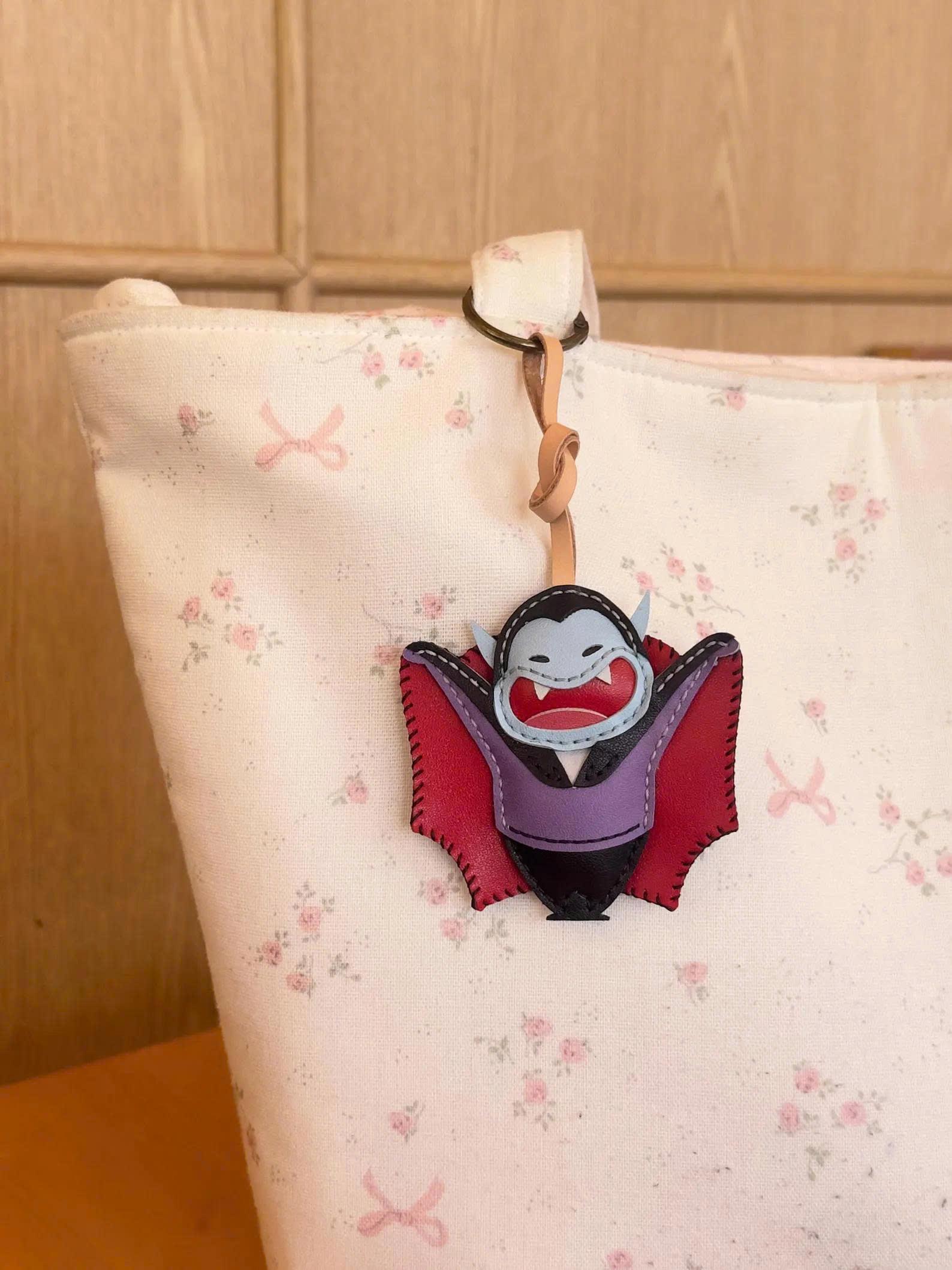
A bag charm is wonderfully low-stakes on a commute. It can add a bright shape, a funny face, or a color that tells you, at a glance, which black backpack is yours in a row of chairs. It also gives a very practical bag permission to have a point of view. That matters on a route filled with identical umbrellas, coats, and laptop sleeves.
Keep the scale in proportion to the bag and the way you travel. A petite charm works well when you carry close to your body or need to move through turnstiles quickly. A larger, more expressive piece can suit a roomy weekend tote that also handles gym clothes. If you are drawn to animal characters, this animal bag charm is a playful place to start. Try attaching it to the outside handle for a week, then move it to an inner zip if you prefer a quieter look.
One signature is often enough. Pairing a charm with a patterned pouch can look intentional; adding charms, tags, ribbons, and key rings all at once can make it harder to find the thing you need. Leave some visual breathing room for the bag itself.
Build a pocket-sized handoff system
Commuting is a series of handoffs: home to pavement, pavement to vehicle, vehicle to desk. A small pouch or compact case can act as the handoff point for the items that move between bags. Think charging cord, lip color, earphones, hand cream, or the pen you want when a form appears unexpectedly. The exact contents are personal; the useful part is that they travel together.
Here is a simple test. Before leaving work, could you switch from a structured office bag to a softer evening bag in under a minute? If not, edit the kit until it can. It is especially helpful for commuters who alternate between a backpack on weekdays and a smaller crossbody for plans afterward. A cheerful zipper pull or character detail makes the pouch feel less anonymous without asking it to do more than one job.
For a fresh starting point, browse new arrivals, then compare them with the wider full collection. Choose the item that solves a repeat moment, not merely the item that matches this week’s outfit.
Plan for the in-between hour
The commute home is where small accessories become most visible. You may be carrying a coffee, checking a message at a crossing, or meeting a friend without returning home first. A detail that felt purely decorative at breakfast can become a welcome bit of personality when the day has been long.
Use color to make the transition feel deliberate. If your work clothes tend toward navy, charcoal, or cream, a single saturated accent on your bag can be enough. If your wardrobe is already print-heavy, a simple shape in one coordinating tone may be more satisfying. This is not a rule about matching. It is a way to make getting dressed at 7 a.m. easier: pick an accent family, then let the charm, pouch, and key detail nod to one another rather than compete.
That approach also keeps your bag from becoming a dumping ground for impulse extras. At the end of the week, empty it onto a table. Anything that has not helped with movement, organization, or a small lift in mood can stay home on Monday.
Let the routine change with you
A city-routine guide should leave room for the route to change. Rainy months may bring a larger bag. A new office may mean a different pass, desk setup, or lunch plan. Start with one accessory, live with it for several commutes, and observe when you notice it: at the door, on the platform, or while finding your keys at night. That is more useful feedback than trying to assemble a finished look in one afternoon.
If you want more ways to shape a bag with character, read bag charm collection with purpose, funny gifts with a real use, and build a bag charm color story. The through line is simple: your daily carry can be functional without looking anonymous. Pick the small detail that makes you smile before the doors close, and let the rest of the kit stay wonderfully ordinary.