Choosing a First Keychain for a Teen
A new keychain often arrives at a surprisingly specific moment: the bedroom door closes behind them, they pat a jacket pocket, and there is suddenly one small responsibility that needs a home. Maybe it is a house key after school, a locker key, or a key to a bike lock. A first keychain for teen life is not a ceremonial adult object. It is a tiny piece of daily equipment that can also make an unfamiliar routine feel more like their own.
The best starting point is not trying to predict what will look mature for years. It is noticing how the teen moves through an ordinary Tuesday. Do they drop a backpack by the front door, clip keys to a tote, keep everything in a zip pocket, or switch bags every few days? That observation makes the choice feel considered without turning one small accessory into a major decision.
Begin with the moment the keys enter the day
Picture the actual handoff: a parent leaves a spare key on the kitchen counter, or a teen gets a key after the first week of a new school schedule. In that moment, the keychain’s job is simple—give the keys a recognizable presence. A character, a punchy color, or an amusing motif can make the keyring easier to spot among a notebook, charging cable, and snack wrappers.
Ask one useful question: where will these keys wait between uses? For someone who has a hook beside the door, a charm with a clear silhouette may make the ritual of hanging up keys a little more satisfying. For the teen who keeps keys in a backpack’s small front pocket, a more compact-looking choice may suit the way they pack. Neither route is more grown-up; they just match different habits.
Let their bag, not a trend, set the direction
A keychain does not need to coordinate with every outfit. It only has to sit comfortably beside the bag they reach for most. A black nylon backpack gives a bright, playful shape room to stand out. A canvas tote already covered in pins and patches can take a more offbeat motif. On a neat crossbody bag, one small cartoon detail can be the unexpected part of the look.
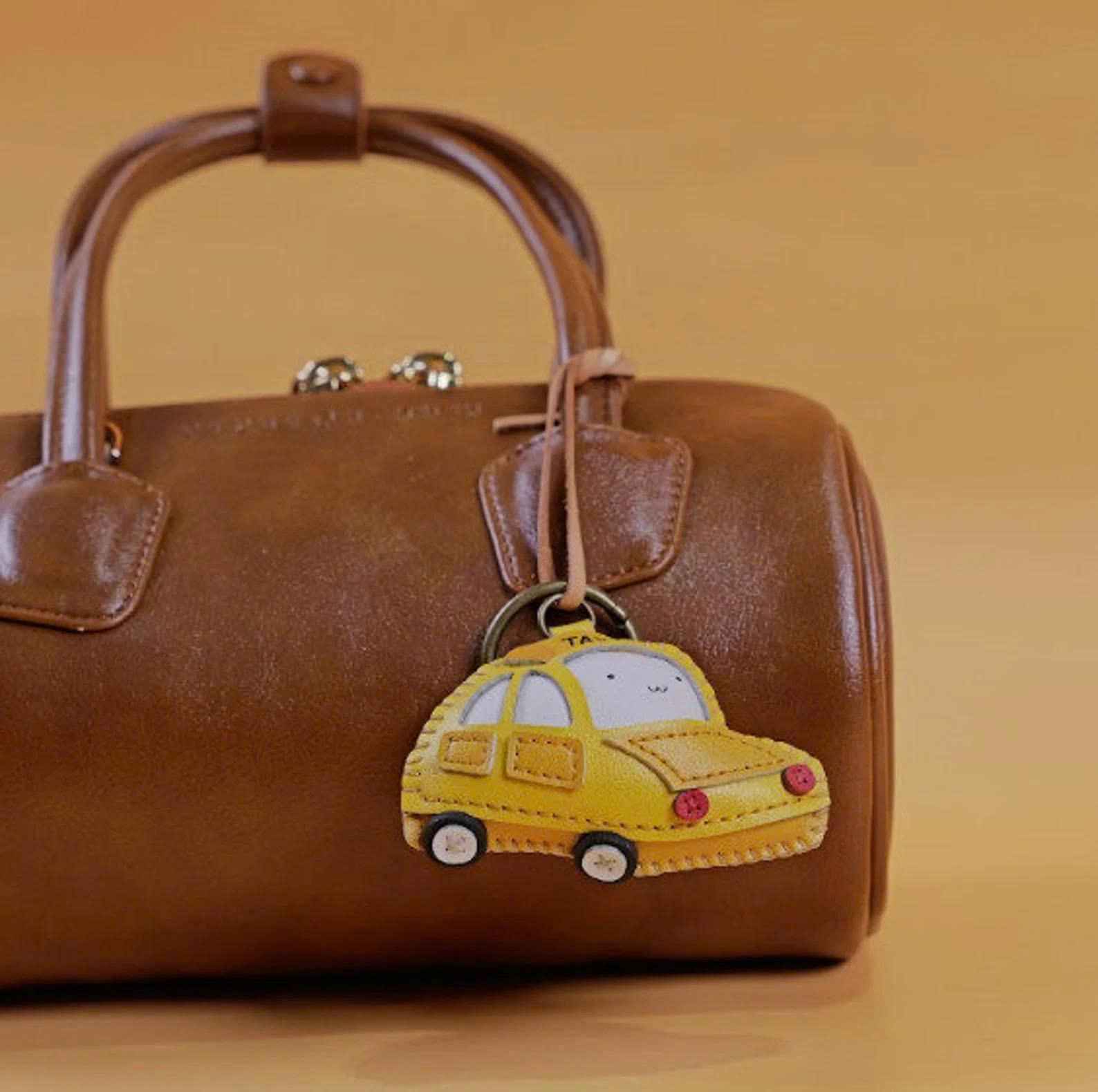
For a low-pressure way to browse, start with the full accessories collection, then compare a few options with the teen’s usual bag in mind. The retro cartoon design on this purse charm keychain is one direction: expressive enough to recognize at a glance, without requiring a whole new style identity. New shapes and themes can also be found in new arrivals when the right choice feels more like a spark than a checklist.
Choose a small signal of personality
The most successful first keychain for teen routines usually has a reason behind it, even if that reason is delightfully unserious. Think about the inside joke that keeps resurfacing in the family group chat, the movie they quote, the animal they draw in the margins, or the snack they always request on road trips. These clues lead to a choice that feels like it belongs to a person, not a generic age category.
There is no need to force a big message. A goofy creature can be enough for a teen who likes making friends laugh; a flower or a celestial image may be a quieter pick for someone who prefers a small visual detail. If humor is their default language, our guide to funny gifts with a real use explores why practical objects can still carry a joke. The point is to select a detail they would choose for themselves, not a symbol that asks them to perform a personality.
Make the new routine easy to practice
Giving the keychain with the keys turns the gift into the start of a repeatable routine. On the first afternoon, agree on one landing place: a bowl by the door, a hook, or a pocket inside the backpack. The next morning, have them find it and put it back. This is less about perfect organization than letting the new item earn a familiar role.
It can help to keep the presentation ordinary. Slip it into a card for the first day of an after-school activity, tuck it into a lunch bag before a weekend at a friend’s house, or give it over hot chocolate after a conversation about coming home. The modestness is part of the charm. For another perspective on forming a simple key habit, see a daily keychain routine for easier mornings. If an adult at school has played a meaningful part in this milestone, a small note can make the gesture feel personal; find more low-key inspiration in accessory gifts for teachers. For the teen’s own school supplies or busy tote, the ideas in accessories for work totes can translate surprisingly well to their bag setup.
Leave room for the next version of them
Tastes will change, bags will change, and the first keychain may eventually move from a house key to a zipper pull or a keepsake drawer. That is not a failed choice. It means the item marked a particular season: first independent walks home, a new club schedule, or the first time they were trusted to lock up after practice.
So choose with attention, then keep the decision light. A keychain can be cheerful, weird, minimal, or nostalgic. What matters is that it gives a new responsibility a little visibility and a little character. That is a good beginning for a small object that will travel through many ordinary days.