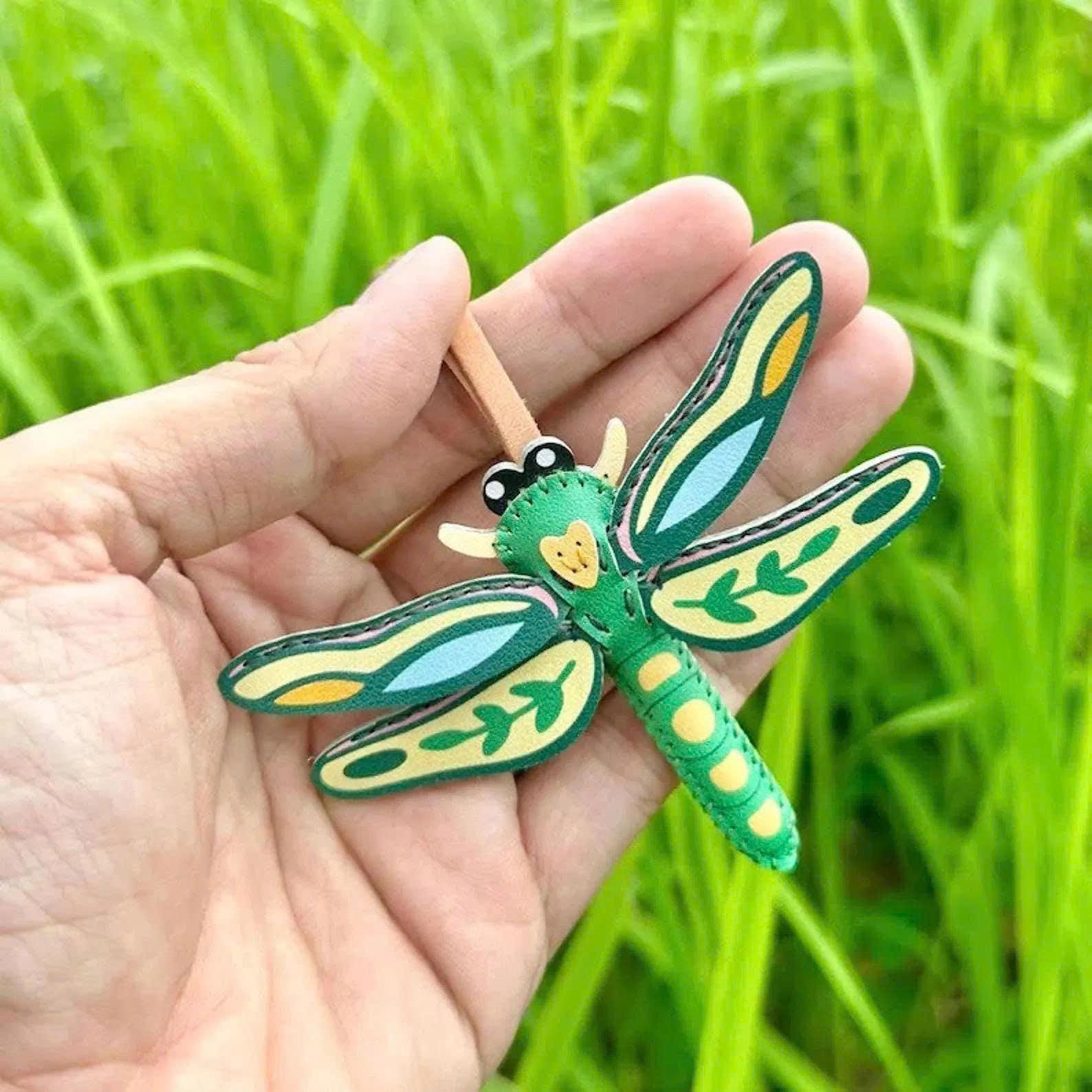
Playful Accessories for Everyday Style: A Small Detail, a Big Mood
At 8:12 on a weekday morning, an outfit may have only one job: get you out the door. The black trousers, white shirt, sneakers, and tote are already doing that job well. Then a small, funny detail on the tote gives the whole picture a different temperature. That is the quiet appeal of playful accessories. They do not demand a new wardrobe or a perfectly coordinated look; they give a familiar routine a small point of view.
A charm or keychain works best when it feels like a choice rather than an afterthought. It might echo the color of a scarf, interrupt a very orderly bag, or simply make you smile when you reach for your keys. The aim is not to make every day look themed. It is to leave room for a bit of character among the reliable pieces you already wear.
Start with the bag you actually carry
Instead of styling from a mood board, look at the item that follows you through the week. A roomy canvas tote often invites a larger, more visible accent; a compact shoulder bag usually looks clearest with one detail near its handle or zipper. The bag does not have to be new, special, or especially colorful. A plain navy backpack, a brown work tote, and a soft black crossbody are all useful backdrops because a playful shape has room to register.
Try the five-second doorway test: hang the accessory where you would normally reach for the bag, step back, and decide whether it reads as a deliberate detail. If it disappears behind a scarf or gets lost in a cluster of tags, move it. A cheerful food-inspired piece, such as the burger and milk-tea bag charm, can make a simple tote feel less formal without changing anything else.
Let one detail do the joking
There is a difference between an outfit that feels lively and one that feels busy. On a day when your jacket has a bold check or your trainers have bright laces, choose a charm with a calm outline or a color already present. On the other hand, a grey sweatshirt, straight-leg jeans, and an unadorned bag offer a great setting for the odd little character, miniature snack, or unexpected color you were tempted by.
One playful note is usually enough to carry the mood. Think of it as the person at dinner who tells the memorable story, not the whole table speaking at once. If you want to add a second small item, give the pair a shared logic: two warm colors, two rounded shapes, or a tiny visual joke near a practical key ring. Browse the wider mix in all accessories, then pause before layering. The most convincing combinations often leave a little empty space around them.
Build a color echo, not a uniform
Matching does not have to mean locating the exact blue of your denim or the exact red of your lip color. A rust-toned charm beside a camel coat, a butter-yellow accent with cream knitwear, or a soft pink note against burgundy can feel connected without looking prescribed. These near-matches are especially useful when an everyday outfit relies on neutrals.
For a practical Monday outfit, consider a charcoal blazer, white tee, faded blue jeans, and a bag charm that repeats one warm note from your watch strap or socks. For a weekend market run, take the opposite route: let a bright charm be the only vivid color against a striped shirt and natural-toned tote. The first look is a subtle echo; the second makes the accessory the conversation starter. If color is the part you want to explore, read how to style bag charms with confident color for another way to choose a lead shade.
Give the detail a place in your real routine
Playful accessories earn their place when they suit the rhythm of your day. A charm on the outer handle of a gym bag can be an easy visual cue when several bags land by the door. On a commuter tote, place it where it will not compete with the ticket holder, water bottle, or laptop sleeve you use most. On keys, choose a position that lets the design stay visible when they are set down in a café or dropped into the bowl at home.
It also helps to think in scenes rather than occasions. The bag you take to a team meeting may want a wink rather than a shout; the small bag you carry to a gallery visit can hold a more expressive detail. Animal motifs, for example, often feel personal because people attach their own humor or memories to them. For ideas on choosing a motif with character, see animal keychains as personal signatures. And if you prefer a quieter approach, one bag charm, minimalist style shows how a single accent can still feel intentional.
Keep playfulness flexible
The best part of a small accessory is that it can move. Shift it from the main bag to a zip pouch, travel case, or keys when the outfit changes. Rotate it by mood rather than by a rigid rule: something graphic after a long week, something colorful when the weather is flat, something low-key when your clothes already have plenty going on. A quick look at new arrivals can be useful when you want a fresh visual idea, but there is no need to replace a favorite just because it has become familiar.
That flexibility keeps playful accessories from turning into costume. They are small permissions to be specific: a nod to a snack you always order, a color that makes a quiet outfit feel awake, a creature that makes you grin at the bus stop. Begin with one item, attach it to the bag you reach for most, and notice what it changes. The change may be minor, but a minor detail is often exactly what makes an everyday uniform feel like yours.