Small Details for a More Confident Everyday Style
Confidence in getting dressed is rarely about inventing a completely new version of yourself before breakfast. More often, it arrives when the clothes you already reach for have one clear point of view. A favorite jacket, soft trousers, a dependable tote: these familiar pieces make the day easier. A few everyday style accessories can give that routine a little punctuation—something visible enough to feel deliberate, but small enough that it does not ask you to perform.
Think of the detail that makes you smile while waiting for coffee, or the one that helps your black tote feel like it belongs to you on a crowded train. The aim is not to collect more things. It is to notice where a tiny personal choice can make an ordinary outfit feel more settled.
Start with the piece you touch most
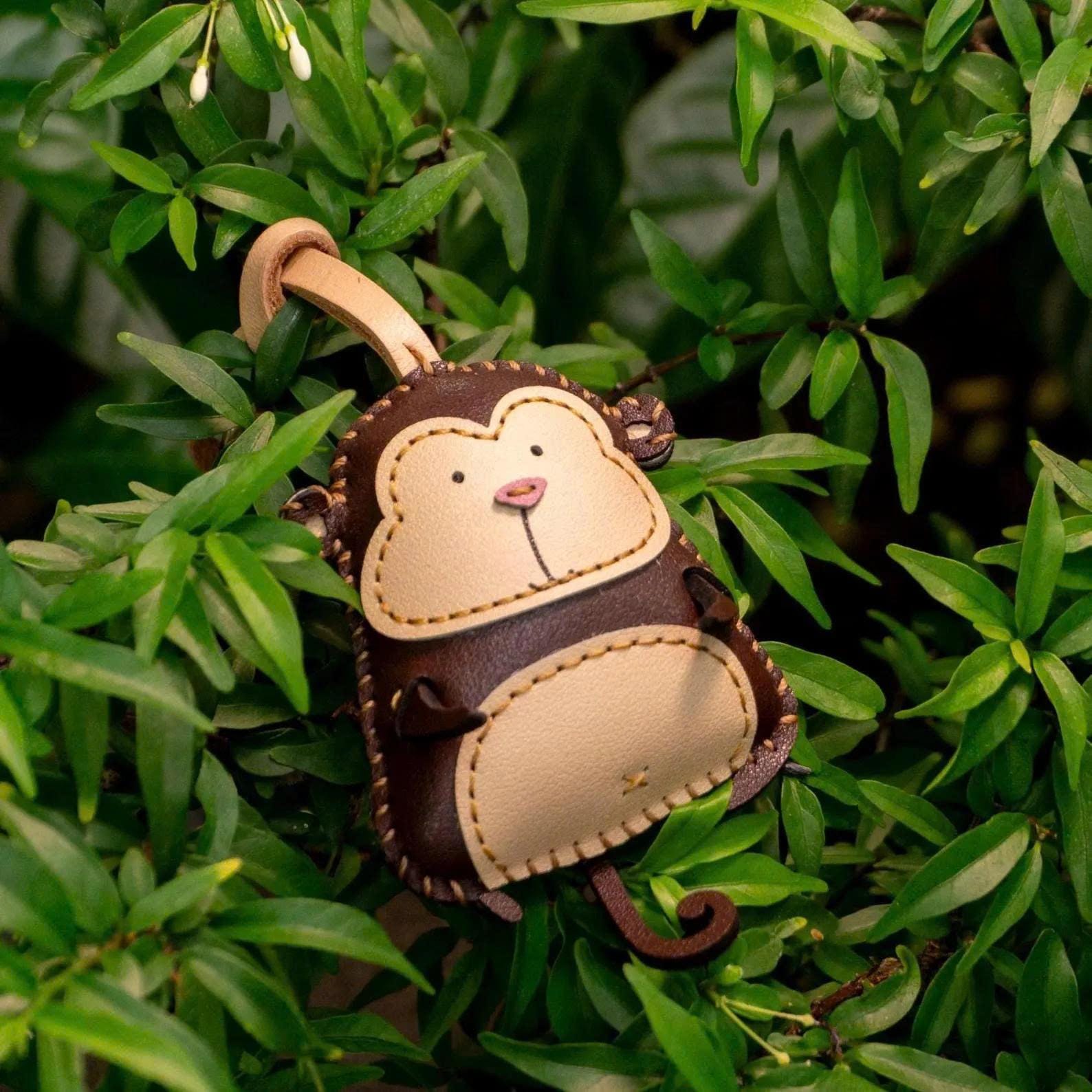
A good place to begin is not the mirror but the object that travels with you: your bag, keys, headphones case, or jacket zipper. These are the things your hands find repeatedly throughout the day. Adding a small charm or keychain there lets personality appear in motion, rather than as an afterthought reserved for a photograph.
Picture a weekday uniform of navy knitwear, straight-leg jeans, and a tan crossbody. It already works. A playful bag charm at the handle can become the one note that loosens the outfit without changing its calm mood. If a storybook-inspired motif appeals to you, take a look at this Aladdin-inspired bag charm; the useful question is simply whether its colors and character make you want to pick up your bag.
For a starting point, browse the wider accessory collection with your most-used bag beside you. Seeing the bag and possible detail together is more helpful than imagining a whole new wardrobe.
Choose one message, not five
Small details feel confident when they say one thing clearly. That “thing” might be bright, funny, nostalgic, graphic, or quietly sweet. It does not need an explanation. A red accent on a charcoal backpack says something different from a tiny animal on a canvas market bag, and both can be right because they reflect the wearer’s mood.
Before choosing, try a quick edit: name the quality you want your carry to have today. “Cheerful,” “sharp,” “easy,” and “curious” are all enough. Then pick a detail that supports that word. Someone wearing a clean white shirt and dark trousers might choose a single colorful charm for contrast. Someone in a patterned cardigan may prefer a character in a color already present in the knit. The rest of the outfit gets to stay quiet.
This is also why more is not automatically more expressive. When a lanyard, several pins, multiple charms, and a vivid scarf all compete at once, none gets the chance to feel intentional. A single chosen detail gives the eye a place to land.
Use repetition to make a detail feel like yours
The first outing with a new accessory can feel conspicuous simply because it is unfamiliar. Give it a few ordinary appearances: the grocery run, a library afternoon, a casual lunch, the desk at work. Repetition turns a small choice into part of your visual language. You may find that friends begin to recognize the cheerful shape on your keys or the color that always appears on your tote.
Rather than matching everything exactly, repeat one small cue. If your charm has a warm yellow note, perhaps wear a slim gold-toned ring or carry a notebook with a mustard cover. If it is blue, let a denim shirt or a blue hair clip echo it. The connection can be loose. These little visual rhymes look lived-in, not arranged.
For fresh prompts without abandoning your usual palette, the new arrivals are worth a slow browse. Notice which designs make you react immediately; that instinct often reveals more than a list of rules.
Let the setting set the volume
Confidence does not mean wearing the same level of playfulness everywhere. It means adjusting thoughtfully. On a presentation day, a small keychain at the inside loop of a structured work bag may give you a private lift while keeping the outside streamlined. For a gallery visit or a weekend market, the same kind of detail can take center stage on the front handle of a roomy tote.
Travel is another useful test. When several similar bags are gathered near a café table or airport seat, a distinctive accessory can make your own easier to spot at a glance. On a low-key evening out, it can become a conversation starter without requiring a statement outfit. Match the scale and placement to the moment, then stop adjusting. The ease of not second-guessing yourself is part of the look.
Finish with a small act of decision
The best style routine is one you can repeat when you are running late. Try a two-minute finish before you leave: put on the outfit you know works, check whether the bag suits the day, and choose one detail that changes the feeling by a degree. Some mornings that will be a charm; other days it may be a bright keyring, a printed scarf, or nothing at all.
That flexibility matters. Personal style is not a uniform you have to defend; it is a way of making familiar choices with attention. When you want more ideas, explore accessory gifts for teachers, try a color-focused approach in how to style bag charms with confident color, or consider the personal touch behind care package accessory ideas. ROSSY FASHION is a place to browse for the small spark, but your confidence comes from deciding how that spark fits into your own day.