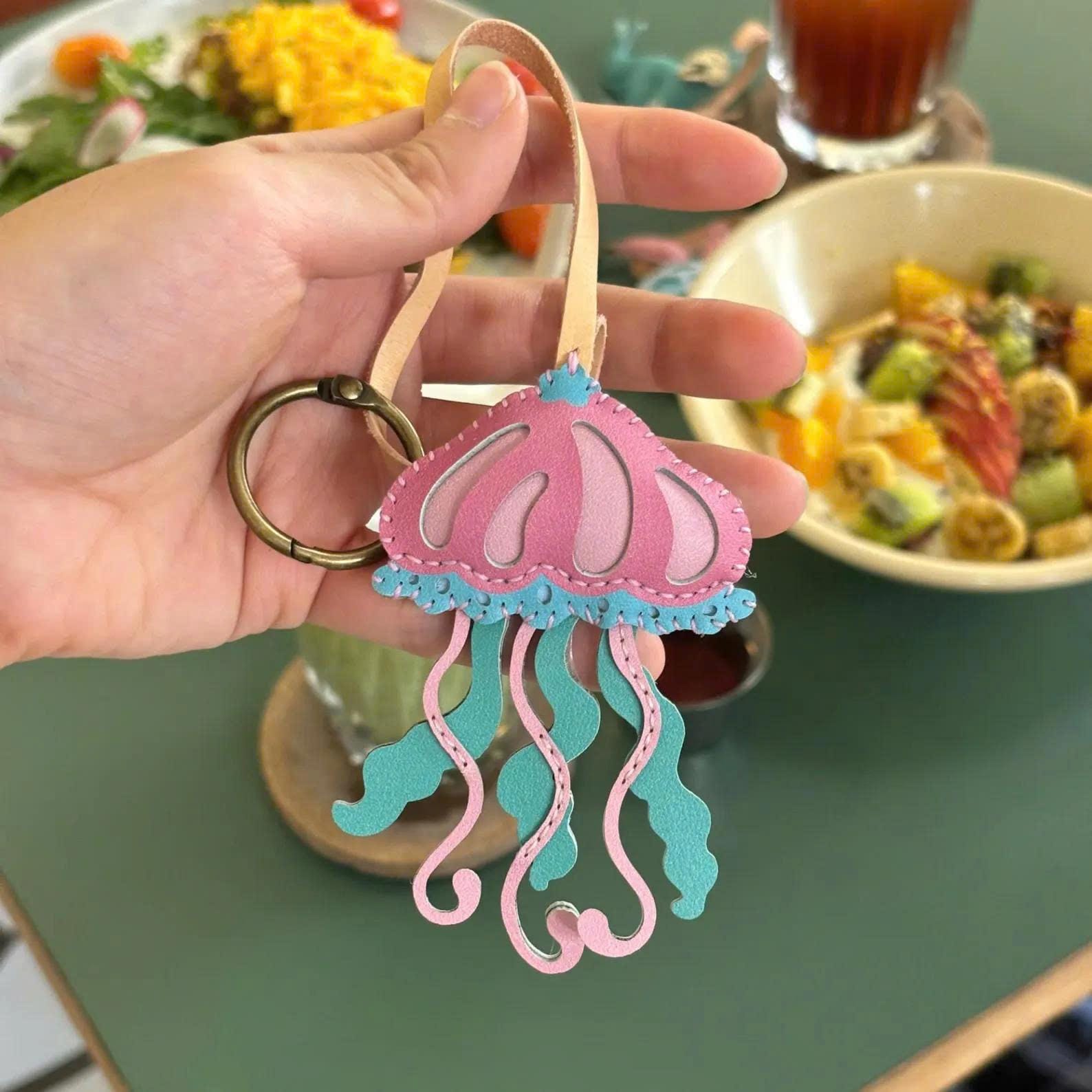
Care Package Accessory Ideas with a Personal Touch
The best long-distance parcels do not try to replace being there. They recreate one small, familiar moment: the friend who always checks their keys twice before leaving, the sibling whose tote is a little too serious, the partner beginning a new shift in an unfamiliar city. That is where care package accessory ideas earn their place. An accessory is not the headline of the box; it is the cheerful thing that stays in view after the snacks are gone and the card has been reread.
Instead of buying toward a generic “care package” look, begin with the recipient’s next ordinary week. What will be on their desk, clipped to their bag, or gathered in the entryway? A small, playful detail can say “I notice you” more clearly than a pile of filler ever could.
Start with the moment they are living through
Long-distance gifts feel most personal when they are timed to a real scene. A friend moving into a first apartment may be facing grocery runs, new routines, and a keyring that suddenly matters. Someone in exam season might be moving between the library, a coffee shop, and a packed backpack. A traveler on an extended stay may be trying to spot one dark carry-on in a crowded lobby.
Write down one moment rather than a personality label. “She takes the train before sunrise” is more useful than “she likes cute things.” “He just started carrying house keys” gives more direction than “he is hard to shop for.” The accessory can then respond to that moment: a bag charm for the daily tote, a keychain for keys that need a little character, or a zip pull-style detail for a pouch used every day. If you are unsure where to begin, browse the wider accessory collection with that one scene in mind.
Choose a small object with a specific reason
The “why this?” is what separates a keepsake from a random extra. A round, storybook-like charm, for example, could nod to a shared movie marathon, a late-night reading habit, or an inside joke about lucky finds. The Snitch ball bag charm makes a lively starting point when the recipient enjoys a little fantasy on an everyday bag. Let the connection come from your note rather than assuming it has to mean the same thing to everyone.
Other useful cues are color, subject, and setting. Choose a bright accent for the friend whose navy backpack blends into every café chair. Pick a tiny animal or food motif only if it recalls a known favorite. For someone who dresses simply, one unexpected detail on a neutral tote can be more appealing than a whole handful of competing trinkets. A thoughtful gift is allowed to be delightfully impractical-looking; it just should not feel like it could have been addressed to anyone.
Build the parcel around a light, usable rhythm
Think in roles, not quantity. One comfort item, one useful item, one accessory, and one message make a balanced care package without turning it into a scavenger hunt. A tea drinker might receive a favorite blend, a snack for the desk drawer, a bag charm, and a two-sentence card. For a roommate away on a placement, try a postcard of home, a compact notebook, the accessory, and a note naming the next time you plan to call.
Keep the accessory visible when they first open the box. Tuck it into a folded bandana, place it beside the card, or let it sit on top of tissue rather than burying it beneath heavier items. This is not about elaborate presentation; it is about giving the little object a chance to read as intentional. For a fresh spark of browsing before you finish the parcel, look through new arrivals, then return to the recipient’s real routine before adding anything else.
Let the note do the personal work
A charm becomes a memento because the note attaches it to a memory. Skip grand declarations if that is not your relationship. A precise observation lands better: “For the bag that carries you through your 8 a.m. meetings,” or “I thought your keys deserved something less boring after the move.” Mention the shared reference in plain language so the connection is still clear months later.
If writing feels difficult, use this four-part prompt: name the present moment, name what you admire, name why you chose this detail, and name the next small thing you will share. For example: “I know this week is a lot. I admire how you keep showing up. This reminded me of our rainy bookstore afternoon. Text me when you pick a bag for it.” The card need not explain every item. It only needs to sound like a person, not a gift receipt.
Send something that invites an everyday reply
The nicest follow-up is often not a formal thank-you photo. It might be a message saying the charm is now on a work backpack, or a blurry snapshot from the airport. Choose an item that makes that easy, then leave space for their own interpretation. They may clip it somewhere you did not predict, and that is part of the gift becoming theirs.
For more ways to connect an accessory to real movement and habits, read our ideas on travel keychains for busy days, choosing the right bag charm size, and accessory gifts for pet lovers. The goal of a care package is not to stage a perfect unboxing. It is to send a useful little reminder that the distance has not made you less attentive. Pack one detail with a reason, write the note you would actually say aloud, and let the recipient carry the thought into an ordinary day.