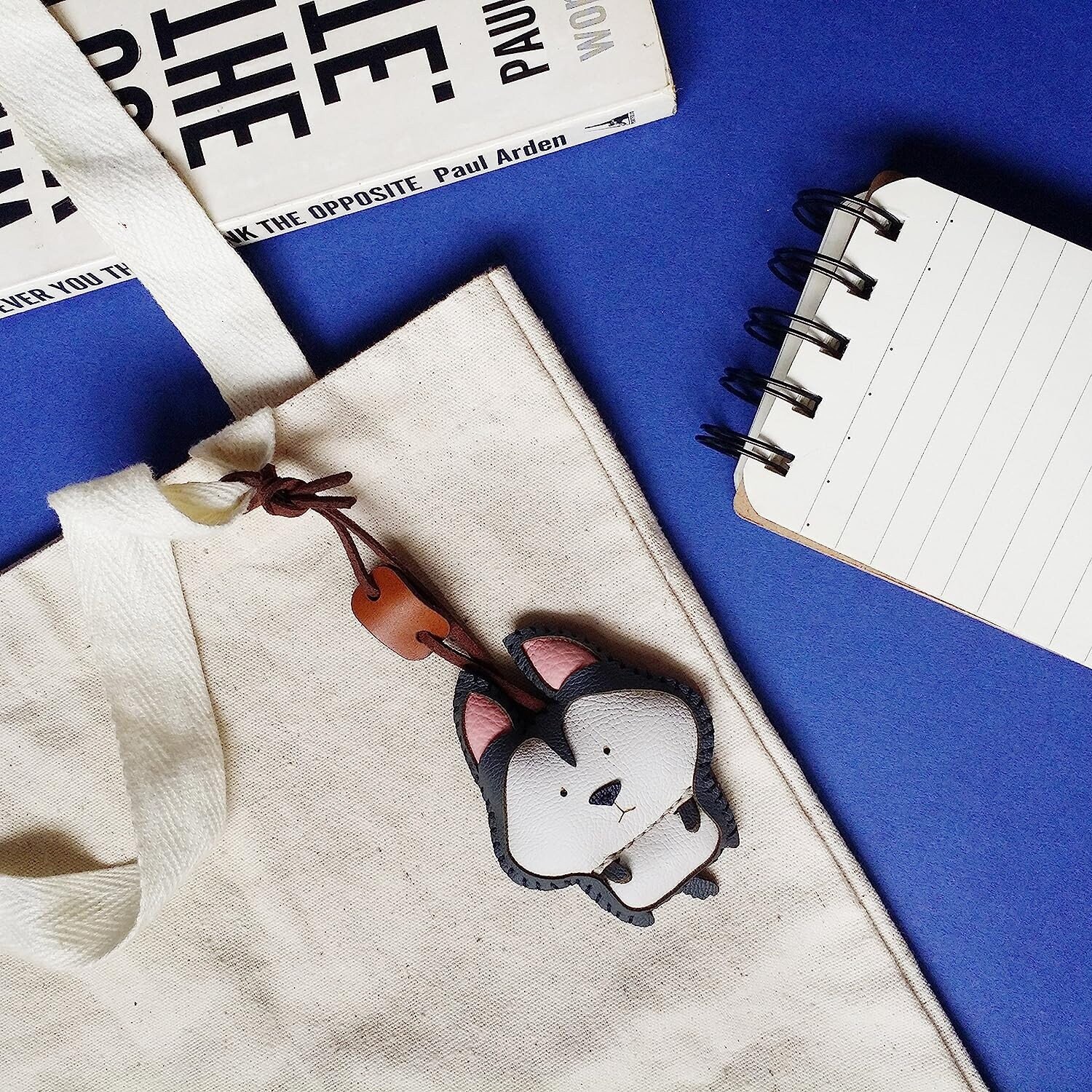
Travel Keychains for Busy Days and Easy Bag Identification
There is a particular kind of hurried departure: one hand is holding coffee, the other is pulling a jacket sleeve straight, and the bag you meant to take is sitting among two nearly identical black bags by the door. A small, recognizable detail can save a second of searching without turning your carryall into a display. That is where travel keychains earn their place—not as another thing to manage, but as a visual cue in the part of the day that moves fastest.
The most useful choice is often the one that reflects how you already travel. Think less about building a themed look and more about the moments when you need to distinguish a tote from a weekender, locate the outer pocket, or gather your things at the end of a long day. Here is a practical way to make one playful charm work with a real itinerary.
Start with the moment your eye needs a shortcut
Before choosing a keychain, picture the one repeatable scene that slows you down. It might be the overhead shelf on a train, where three dark backpacks are lined up. It might be a hotel lobby bench, where your personal tote and your colleague’s tote have the same silhouette. Or it could simply be the airport-security scramble, when the bag holding your charger, passport wallet, and sweater needs to be obvious at a glance.
A charm is most effective when it gives you a clear point to look for. A cheerful animal or a bold, simple shape can do that quietly on an otherwise plain bag. If a dog motif suits your sense of humor, this pug bag charm is one example of a character-led detail to consider. The goal is recognition, not coordination with every item you pack.
Give one charm one travel job
Busy bags work better when their details have a role. Decide whether your keychain is there to identify the whole bag, point to a frequently used zip, or mark a smaller pouch inside. Trying to make one piece do all three can make the setup harder to read.
For a personal-item tote, attach the charm to the main handle or a top hardware loop so it is visible when the bag is upright beside your seat. For a crossbody, a zipper pull may be the more intuitive location: it leads your hand to the compartment you open most. For a weekend duffel, a handle placement helps when the bag is turned sideways in a car trunk. Take a minute at home to lift, zip, and set the bag down as you normally would; the best position becomes apparent quickly.
It also helps to keep the rest of that area uncluttered. If there are several tags, ribbons, and lanyards competing around the handle, the identifying detail gets lost. One chosen marker is easier to use when your attention is elsewhere.
Let color work at a glance
Color is less about matching a destination and more about contrast. On a charcoal backpack, a warm red, yellow, or light-toned charm may stand out. On a canvas bag with many prints, a single solid-looking accent can create a calmer focal point. You do not need a perfect color theory plan; try holding the charm against the bag near a window and taking two steps back. If your eye finds it immediately, it is doing its job.
Consider the surroundings, too. Neutral luggage tags disappear against neutral luggage, while a saturated detail can remain easy to spot against a grey station floor or a navy airplane seat. If you enjoy planning combinations, browse the wider accessories collection for motifs and colors, then compare a few possibilities against the bag you carry most. New ideas are also gathered in new arrivals, useful if you are looking for a fresh detail rather than replacing your whole bag.
Build a departure station, not a packing performance
Travel keychains are at their most helpful when they are part of a repeatable exit routine. Set your everyday travel bag in one consistent place the evening before. Clip the charm where you want it, place your keys beside or inside the bag, and tuck any small pouch into its usual pocket. In the morning, the charm becomes a small signal: this is the bag that is ready to go.
Imagine a Friday train trip after work. Your laptop tote stays under the desk all day; your weekend bag waits at home. Adding the same recognizable charm only to the weekend bag prevents a tired end-of-day mix-up. Or, for a day of museum stops and a late dinner, place a charm on the bag that carries the portable battery and water bottle—items you may need before you reach your final destination. These are minor decisions, but they reduce the number of visual checks a crowded day asks of you.
Finish the day with a small reset
When you get back, do not let the charm become an afterthought buried in a pile of receipts and transit cards. Give it a quick look while you empty the bag: move it back to the same handle, or shift it to the pouch you will use next. This gentle reset makes the next departure less dependent on memory.
For more ideas around bags that work hard in the week, read Accessories for Work Totes That Feel Polished and Personal. If you are sending something small to someone far away, Care Package Accessory Ideas with a Personal Touch offers a warmer gifting angle. And when brighter days change the mood of your carryall, Flower Charms for Spring Bags and Bright Mornings explores an easy seasonal shift.
A good travel detail does not need to solve every packing question. It only needs to make one familiar bag easier to recognize and one busy departure feel a little more intentional.