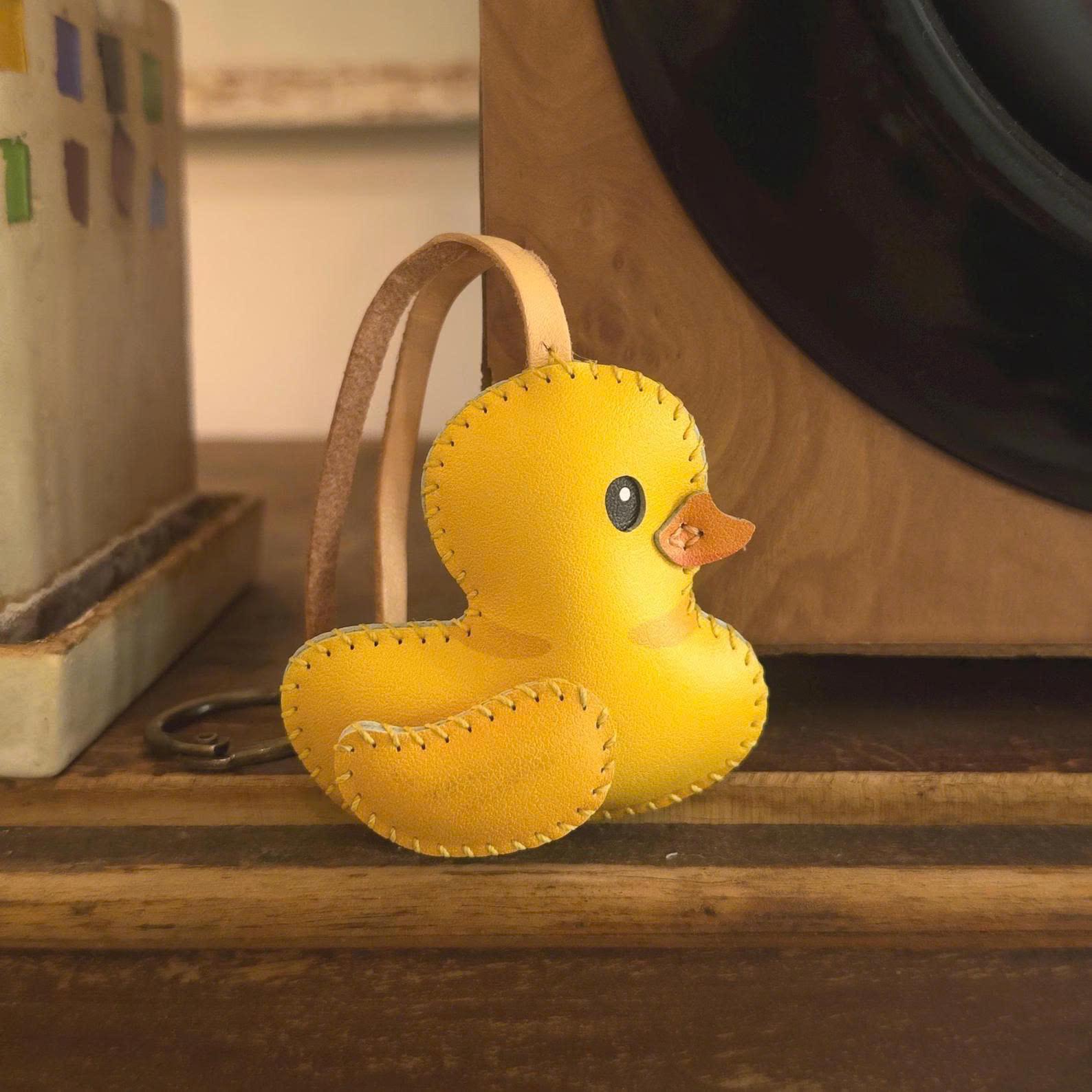
How to Choose the Right Bag Charm Size
A charm can make a familiar bag feel newly yours, but scale is what keeps the addition looking intentional. A tiny figure can disappear on a roomy tote; a large, bouncy charm can take over a neat shoulder bag. This bag charm size guide is less about chasing a perfect measurement and more about noticing proportion: the bag’s visible surface, the length of the charm, and the amount of movement you actually enjoy. Use the walkthrough below before you clip on the first cute thing you find.
Start with the bag’s visible canvas
Lay the bag flat or hang it where you can see its front clearly. Ignore the handle at first and look at the usable body: the rectangle, curve, or box that people see when you carry it. A compact shoulder bag has a small visual canvas, so a charm roughly the width of two or three fingers often reads as a detail rather than a competing object. On a work tote or a soft, wide hobo, that same piece can look like a deliberate little punctuation mark—or vanish altogether, depending on the print and color of the bag.
There is no need to make every charm prominent. If your bag already has a patterned scarf, chunky chain, or bold logo treatment, a small charm lets one idea lead. If the bag is plain and spacious, a medium or larger shape can provide the focal point. Think of the blank space as part of the styling decision, not space that must be filled.
Match the drop, not just the charm body
Size is also length. A compact charm with a long loop may hang much farther than a larger charm attached close to the ring. Hold the charm beside the bag before fastening it: where will the lowest point land? On a small baguette, a drop that reaches below the base can feel visually busy when the bag moves under your arm. On a tall tote, a longer drop can look relaxed and balanced because the bag has more vertical room.
Pay attention to what sits nearby. A charm that lands against a pocket, zipper, or flap line can make that feature feel crowded; shifting it to the handle edge may solve the issue without changing charms. For a playful option to test, try the tiger bag charm against your bag while standing at a mirror. The useful question is not “is it big?” but “where does the eye stop?”
Use three bag profiles as a field test
For a mini crossbody: favor a small charm or one compact figure on a short attachment. These bags often sit around waist or hip height, so a charm has a close-up audience. A full cluster of keys, pouches, and dangling pieces can overwhelm the bag’s clean outline. Choose one feature and let it show.
For an everyday shoulder bag: medium scale is usually the most flexible starting point. A charm that occupies a modest portion of the front edge can be seen without turning the bag into a novelty piece. If you switch from denim to tailoring during the week, choose a charm whose size works with both the relaxed and sharper versions of your outfit, then change its placement rather than replacing it.
For a large tote or backpack: give the charm enough presence to survive the bag’s scale. A medium charm near the top corner can look crisp; a larger one can work when it is the sole decorative element. On a backpack, test the side and front view. What looks perfect on the front panel may seem lost once straps, jacket sleeves, and the bag’s depth enter the picture.
Create a focal point without crowding hardware
Most bags already have visual interruptions: buckles, zipper pulls, padlocks, knots, chain straps, or metal feet glimpsed at the bottom. Select one attachment point as the charm’s “home” instead of automatically hanging it from the most convenient ring. The outer handle base makes a good focal point when the bag is simple. A side loop can be quieter if the front has decorative hardware. On a structured bag, keeping the charm near an existing vertical seam can make the placement feel tidier.
If you want to use more than one piece, vary their jobs. Let one charm be the character and let the other be a small tassel, key ring, or initial. Two similarly large charms swinging at the same height can look accidental. A useful rule of thumb is to give the smaller piece a supporting role rather than making both compete for attention. Browse the wider accessory collection with that hierarchy in mind, rather than choosing by cuteness alone.
Try it in motion before calling it right
A mirror check is the beginning, not the final verdict. Put the bag on as you normally would, walk across a room, sit down, and lift it onto a chair. Notice whether the charm keeps settling to the front, tucking underneath, or knocking into the closure. Those observations tell you more than a product image ever can. A charm that shifts to the back may simply belong on the opposite handle; one that feels too lively may look calmer on a shorter connection.
Take a quick photo from arm’s length if you are uncertain. This distance reveals whether the charm reads as a sweet accent, a clear statement, or a visual interruption. Make the final call based on your usual outfit and destination: the roomy tote you carry to class can welcome a different proportion from the small bag you take to dinner. When you are ready to experiment again, look through new arrivals and keep your most successful bag-and-charm pair as the reference point.
For more ways to make a small accessory earn its place, explore care package accessory ideas, how to style one bag charm minimally, and using a keychain as a zipper pull. The best size is the one that makes your bag feel more like your bag, not less like itself.