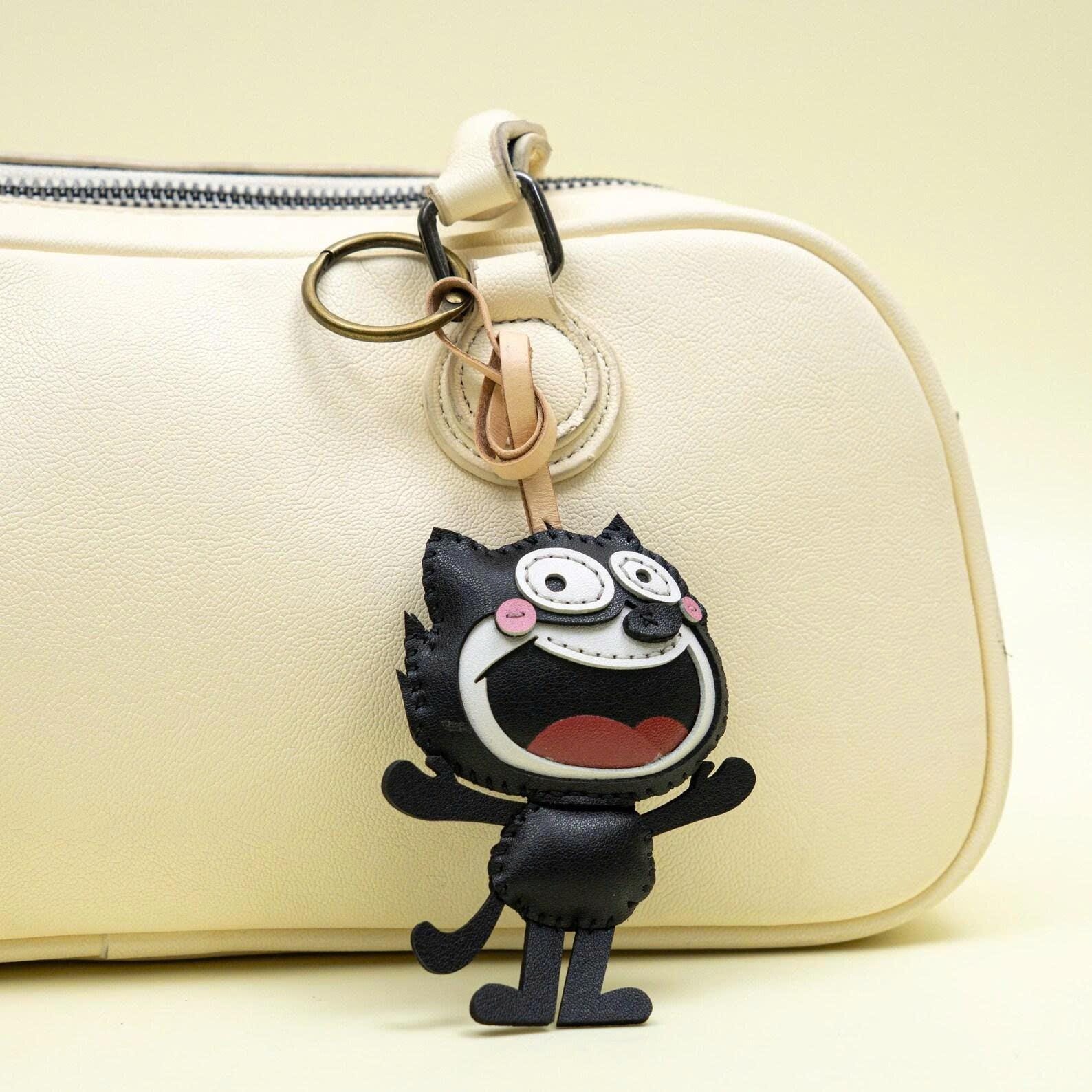
How to Layer Keychains Without Clutter
The little cluster at the top of a tote or on a key ring can say a lot before an outfit gets a second look. The trick is not owning fewer charms; it is giving each one a reason to be there. When you layer keychains with a bit of order, the result feels like a tiny styling moment rather than a jumble you have to untangle with your eyes.
Picture a rushed morning: coffee in one hand, phone in the other, and your everyday bag about to leave the chair. Start with the item you reach for, then add personality around it. This guide turns the idea into a simple, repeatable edit for keys, backpacks, belt loops, and bag handles.
Start with one job for the cluster
Before choosing charms, decide where the cluster lives and what you want it to do. A key ring that goes from apartment door to desk needs a different mix from a roomy weekend tote. For keys, a piece that makes the ring easy to spot is a useful starting point.
Choose one anchor: the largest shape, the brightest color, or the charm with the clearest personality. Everything else supports it. Browsing the full accessory collection is an easy way to notice which motifs you keep coming back to; that repeated instinct is more helpful than trying to match every detail at once.
A practical formula for a first attempt is one anchor, one smaller companion, and one useful item such as a tag or card holder. Three pieces offer enough contrast to look deliberate without making the attachment point look overloaded.
Set a visual order before adding more
Clutter often happens when every charm asks for the same amount of attention. Put the largest or most colorful piece closest to the bag handle or main ring. Let a smaller shape sit beside it, then place the most streamlined piece at the outer edge. The eye gets a path to follow instead of encountering several competing focal points.
Color can make this even simpler. Choose a lead color from your bag or usual jacket, then echo it once in the cluster. A cherry-red charm and a red card case feel connected; a third loud red object may be more than the look needs. If you prefer a mixed palette, keep one element calm—perhaps black, cream, clear, or metallic-looking—so the brighter notes have breathing room.
Shape matters too. Pair a rounded figure with a flatter tag, or a soft-looking motif with a clean geometric accent. Repeating the same bulky outline three times makes the group read as one block. A change in outline gives the arrangement texture while keeping its overall footprint tidy.
Build around a focal charm, not a theme costume
A single charming character, fruit, flower, or tiny object can carry the story. You do not need every piece to repeat that story literally. Rather than pairing a unicorn charm with several more unicorns, let it meet a simple letter, a color echo, or a compact pouch-like accessory.
For a cheerful bag accent, try the unicorn charm as the visual lead, then add one small neutral tag and one slim everyday piece. On a black or denim bag, that combination gives the character room to show up. The aim is not a perfectly coordinated costume; it is a conversation between a few details.
When the anchor is sentimental—a souvenir, an initial, or a tiny keepsake—treat it the same way. Give it space. A sentimental charm tends to feel more intentional when it is the one people notice first, rather than one item in a crowded chain.
Make versions for the places you actually go
The best layered setup can change with your routine. For a first day at a new job, keep the bag cluster small: one polished focal charm and one understated helper. If you are deciding what feels right for that occasion, our guide to accessories for a first job offers another way to think about small style signals.
For errands, a bright anchor on the keys can make a familiar object feel easier to recognize at a glance. Pair it with no more than two companions and reserve the rest for a bag. For ideas centered on the everyday ritual, see how to make keys easier to find.
For a weekend outing, you can lean more playful: a character charm, a color-pop detail, and one tiny contrast shape on a crossbody or tote. Swap the cluster instead of adding to it. Keeping a few ready-made trios in a dish or small pouch means the styling decision takes seconds, not a full reconfiguration at the door.
Finish with a 30-second edit
Before heading out, hold the bag at arm's length or set the keys on a table. Can you identify the focal piece immediately? Do two pieces hide each other completely? Does one color appear so often that it overwhelms the rest? Remove the piece with the least distinct role first.
Also consider the view from a distance. A layered keychain is a small detail, so its strongest features should still be readable as shape, color, and mood. If the cluster becomes a blur, simplify the outline.
There is no single right number of charms. The goal is a grouping that makes you smile when you pick up your bag and still feels clear when you look at it later in the day. Explore new arrivals when you want one fresh accent, and read small details for confident style for more ways to let accessories support an outfit. A thoughtful layer has room for personality—and enough space for every chosen piece to be seen.